How to Save a Location in Forest to Find It Again
February fifteen, 2017
What to Practise if You Are Lost in a Wood
By Lindsay Seventko, Communications Intern

No matter how prepared you may be for an outdoor adventure or how confident you are in your power to follow a trail, it'southward always a practiced idea to be prepared for the unexpected. Brush up on your contingency planning with these tips for what to do if yous become lost in a forest.
Remain Calm
First, stay calm. It's normal to feel upset and dislocated when you realize you lot're lost, merely panicking and thinking negatively will cloud your judgment and limit your problem solving abilities. Have a moment to focus and at-home your heed before taking whatever activeness.
Stay in I Place
If you lot don't have a compass to direct your manner, stay in one place where information technology will be much easier to search parties to observe you. If you can easily retrace your steps back to the trail, do so and continue support the trail. Simply if your path isn't easy to follow, stay right where you are. Mark that original "I'm lost" spot with branches or rocks to make it very noticeable and apply it equally a jumping off point to explore your near surroundings, remembering to frequently return back to the original spot so that you never lose it.
Detect Shelter
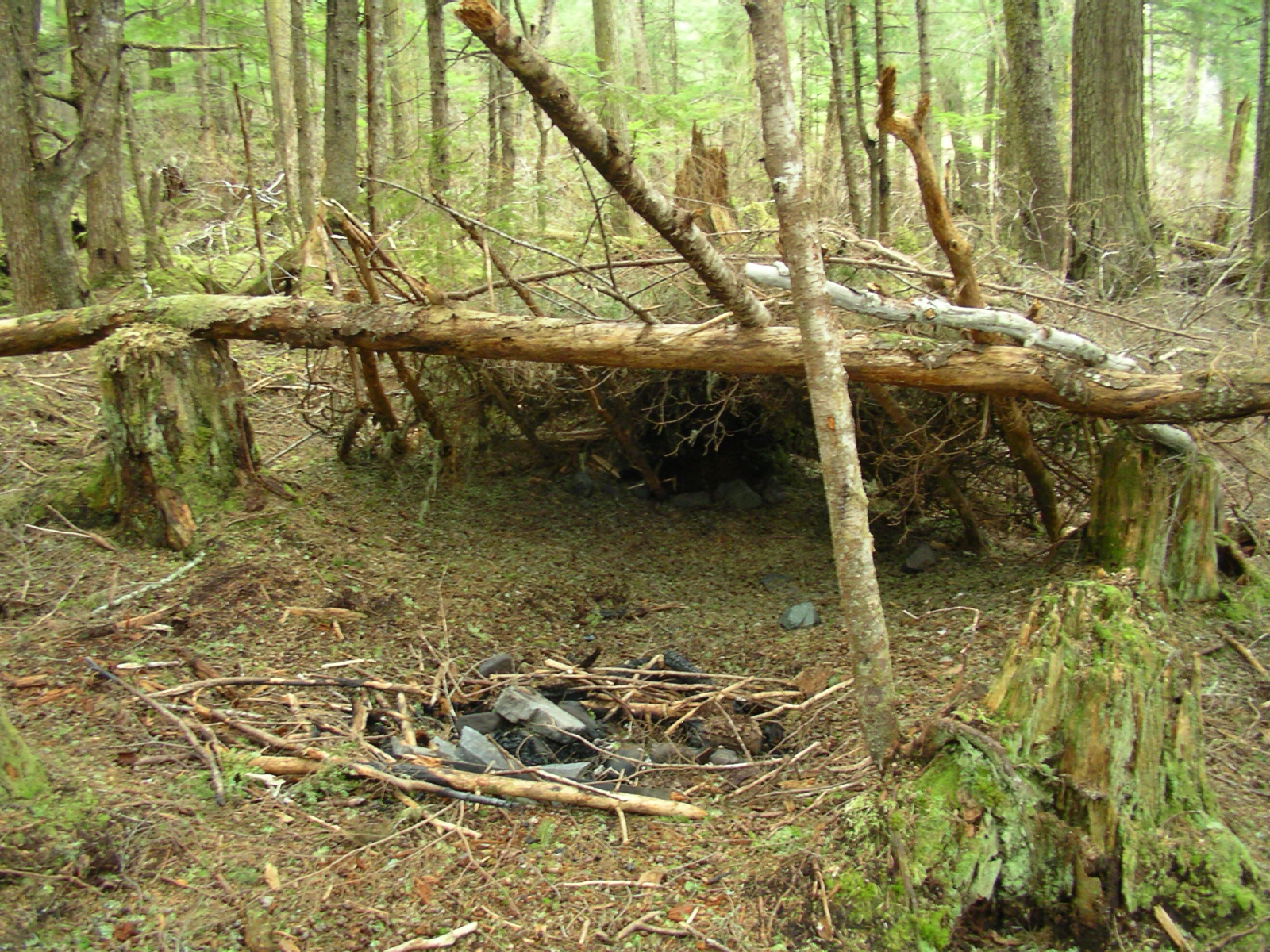
During these short, well-marked ventures away from the original "I'one thousand lost" spot, await for existing structures you lot can employ for shelter. If there aren't whatever, begin structuring woods overlaid with leaves and branches to fashion a makeshift shelter and be sure to layer any clothing items y'all accept so that you can stay equally dry and warm as possible.
Brand a Fire
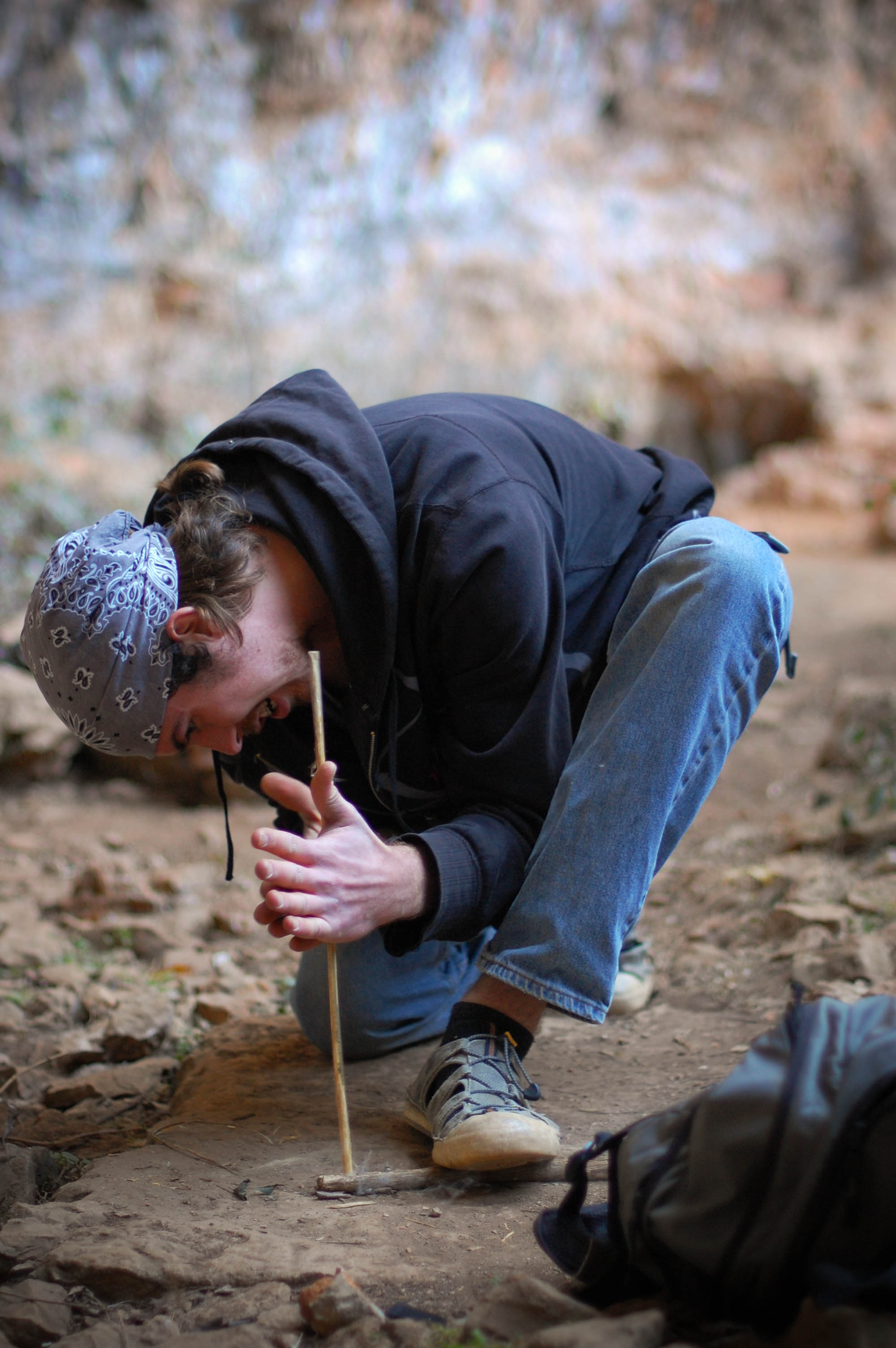
A fire is essential to staying warm, purifying water and cooking. Begin gathering dry wood, twigs, bark, leaves and any paper you take that could fuel a fire. If you didn't bring matches, a lighter or flintstone, apply the fire-plow method to beginning a burn (call up "Cast Away"). To employ this method, rub dry wood together in a divot until the friction creates fume and/or a spark, which can so be gently blown on until a slice of paper or twigs are caught on fire.
Find a H2o Source
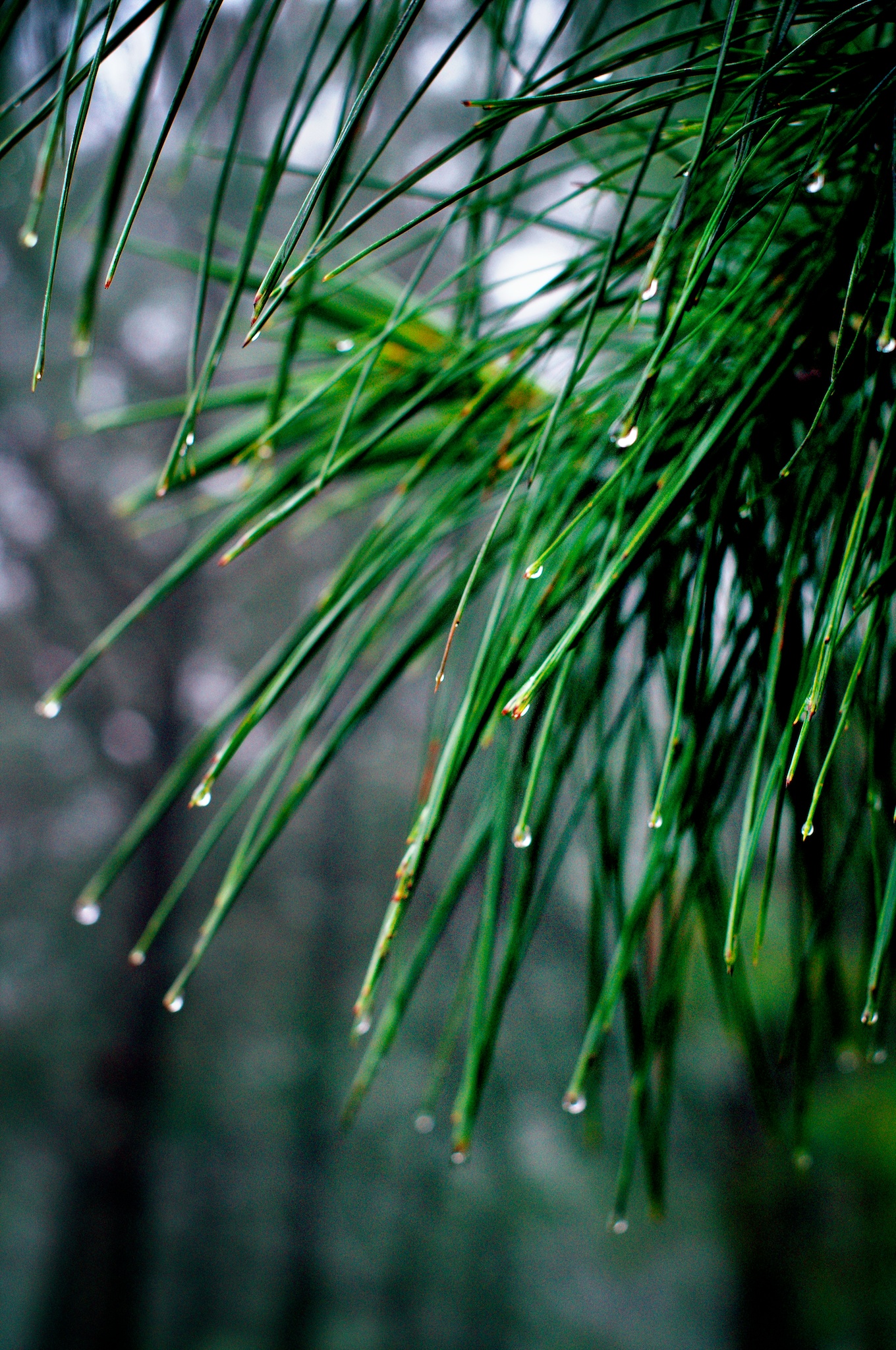
Hopefully, you brought enough of h2o and food on this woods adventure, but if not, or if your supplies are dwindling, it's important to discover food and water. If y'all are able to make a fire and have a container, boil water from a stream, river or puddle for at least three minutes before drinking. But, if you are unable to outset a burn, brainstorm collecting rainwater or drinking the dew off of leaves. Drinking straight from a river without purification should be reserved for emergencies only, as it may brand you extremely sick.
Provender for Food
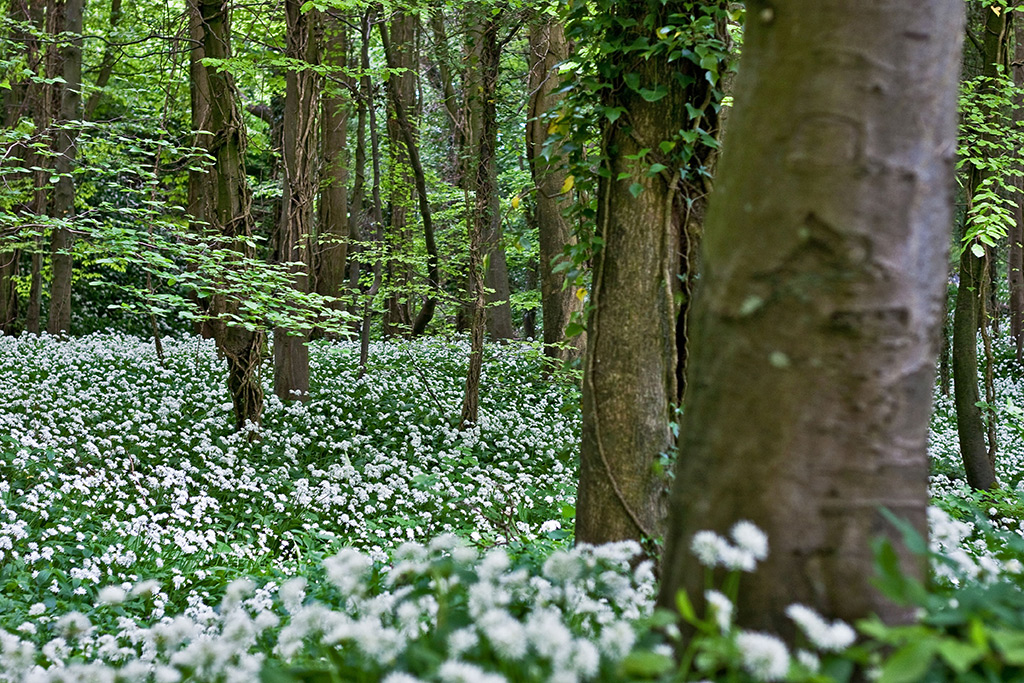
If yous're worried about running out of food, begin foraging for foods from your surroundings like acorns, walnuts, pine needles, wild onion and garlic. If you aren't completely certain that the nutrient is edible, don't swallow it. It is often wise to avert berries and mushrooms, since in that location are many look-a-likes of edible varieties that are poisonous. If you aren't able to subsist on plant matter, you can roast insects or minor game over the fire. Chase by throwing a abrupt stick at the brute to stun it before killing it, or try spear-fishing with a stick. Above all, when it comes to finding food, it is ameliorate to be hungry than sick. Avoid eating annihilation risky for as long as possible.
No one likes to think near being lost out in the wood, merely it is always good to be prepared. Before going on your next forest adventure, brush up on survival techniques and be sure your haversack is full of the essentials — a map and compass, waterproof and windproof habiliment, a style to outset a fire and plenty of h2o and loftier calorie food.
Source: https://www.americanforests.org/article/what-to-do-if-you-are-lost-in-a-forest/
0 Response to "How to Save a Location in Forest to Find It Again"
Post a Comment